Planning a Bar NYC Crawl the Smart Way
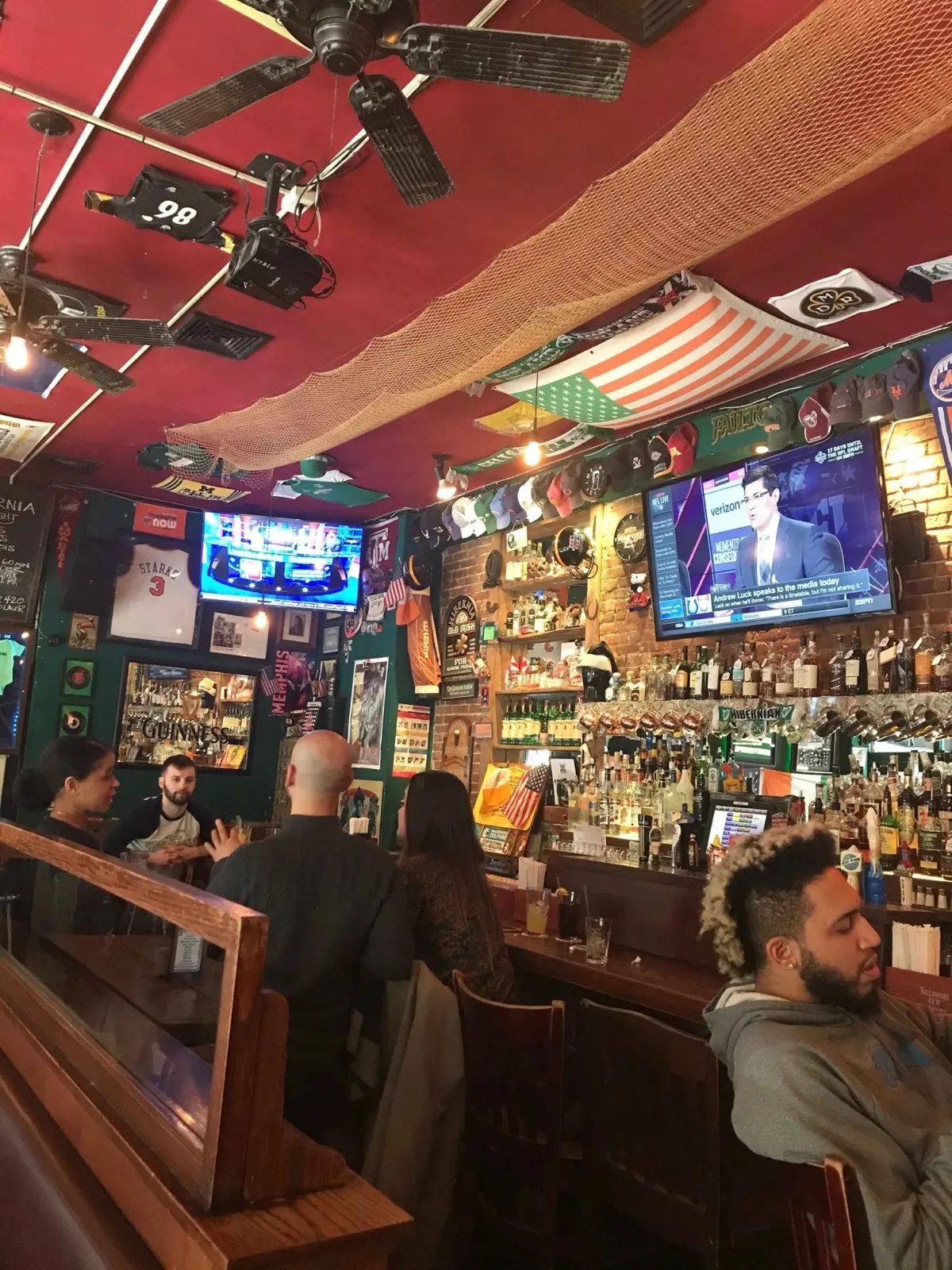
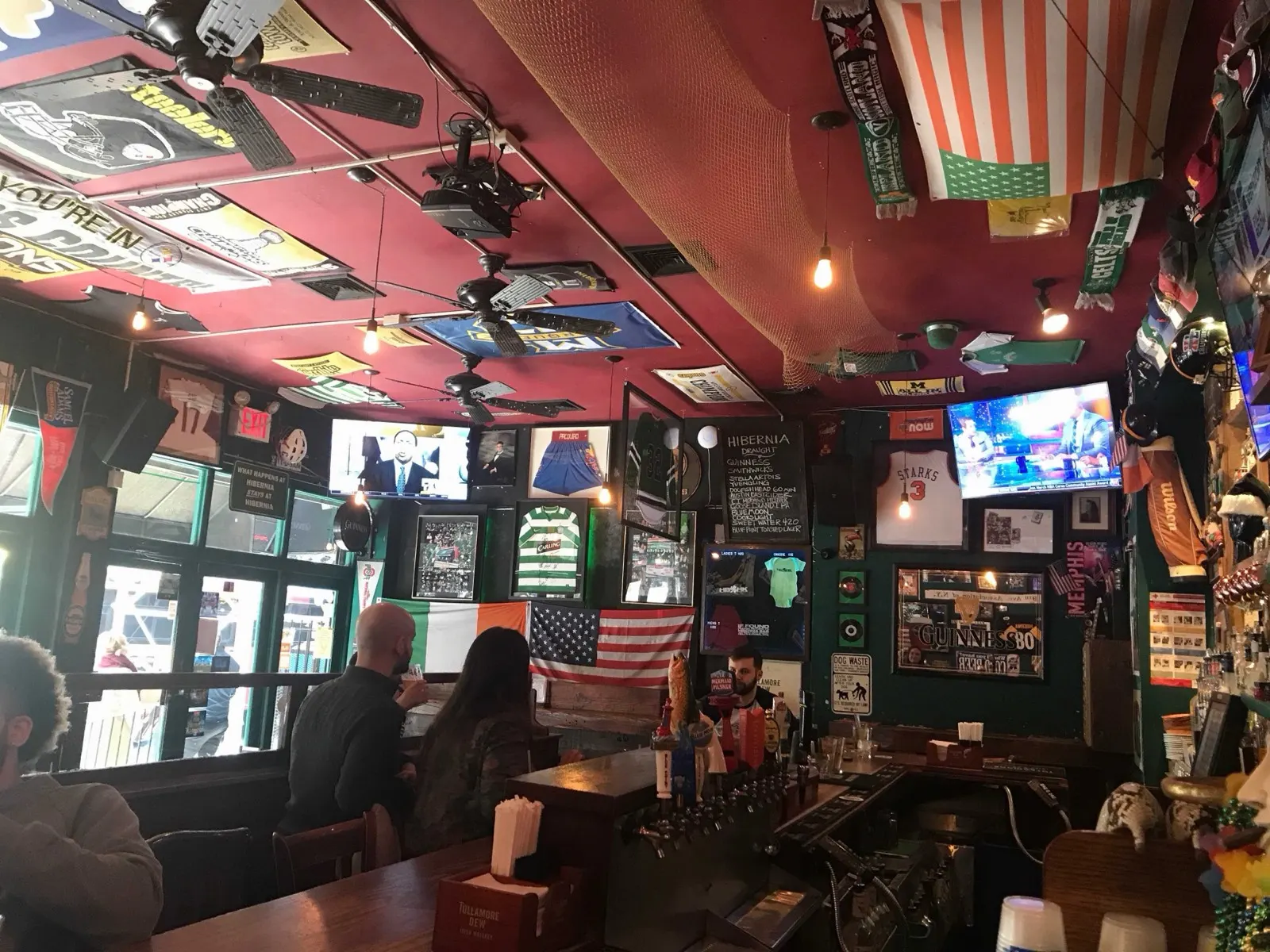
New York rewards ambition, but it also punishes bad planning. That is especially true when you are trying to build a bar crawl. On paper, it sounds easy. Pick a neighborhood, text a group, show up thirsty. In practice, a night can go sideways fast if your route zigzags across the city, your group is too large for the bars you picked, or your first stop burns everyone out before 9 p.m.
A smart crawl is less about quantity and more about flow. The best nights move cleanly from one place to the next, with just enough variety to keep the mood up and just enough structure to prevent the usual drift. If you have ever watched twelve people stand on a cold corner in Manhattan arguing over where to go next, you already understand why planning matters.
The good news is that New York makes a great crawl possible almost every night of the week. The city is dense, walkable in the right pockets, and full of bars with distinct personalities. The trick is choosing a format that fits the group, the budget, and the energy level you want. That is where most people miss. They plan for the city they imagine, not the city they are actually moving through at 10:30 on a Friday.
Start with the kind of night you actually want
Before you choose a single bar, decide what success looks like. That sounds obvious, but most weak plans come from skipping this step. A crawl for old college friends who want loud music and fast rounds is not the same as a birthday crawl for coworkers who need room to talk. A date-night mini crawl in the West Village is a different animal from a late-night run through the Lower East Side.
I usually sort crawls into three broad moods. There is the social crawl, where conversation matters and the bars need enough breathing room. There is the high-energy crawl, where people want movement, louder rooms, maybe a dance floor at the end. Then there is the discovery crawl, which is less about partying and more about trying different styles, maybe a classic cocktail bar, a neighborhood dive, and one place with a strong beer or wine program.
Once that mood is clear, your decisions get easier. You can cut the bars that look great online but do not fit the night. You can also avoid a common mistake, which is trying to please every preference at once. A bar crawl is not a tasting menu for every personality in the group. It works best when it has a point of view.
Pick one neighborhood and stay loyal to it
The smartest Bar NYC crawl plans are compact. That means one neighborhood, maybe two adjoining ones if the route is clean. Manhattan and Brooklyn offer plenty of options, but distance is the enemy. A seven-minute walk feels fine at the start of the night. A twenty-minute subway transfer in the middle of it feels like an administrative problem nobody asked for.
The best crawl zones tend to have bar density, decent food nearby, and streets that still feel active late. Parts of the East Village, Lower East Side, West Village, Williamsburg, Greenpoint, and Bushwick can all work well, depending on the crowd. Midtown can work too, especially for after-work groups, though the atmosphere often gets thinner once the office crowd clears out.
A good rule is simple. If you cannot walk from one stop to the next in under ten minutes, the route needs work. Five to seven minutes is even better. That spacing keeps momentum without making the night feel rushed. It also gives you room to absorb the city a bit, which is part of the pleasure of going out in New York in the first place.
Here is a practical way to think about neighborhood fit:
- East Village and Lower East Side suit high-energy groups, larger bar inventories, and later nights.
- West Village suits smaller groups, stronger date-night energy, and a more polished feel.
- Williamsburg works well for mixed groups because you can balance cocktails, beer spots, and livelier rooms.
- Greenpoint is better for people who want a slightly calmer pace and less tourist traffic.
- Bushwick favors adventurous groups who do not mind a looser, more late-night atmosphere.
That list is not a ranking. It is a matching tool. The right area is the one that helps your group move naturally, not the one somebody said was hottest last month.
The ideal number of stops is lower than most people think
People love to overbook a crawl. They imagine six or seven bars because it sounds like value. In reality, four stops is usually the sweet spot. Three can be perfect if the bars are well chosen and the group actually wants to settle in at each place. Five is possible, but only if you start early, keep the route tight, and accept that one stop might end up being a quick drink rather than a full round.
Too many stops create dead time. Coats get collected. Tabs get settled. Bathroom lines happen. One person disappears. Another decides they want food. Every transition carries friction. Four bars gives you enough variety without turning the evening into a logistics exercise.
There is also the matter of memory. The most successful crawls usually have a shape people can recall the next day. You started somewhere casual, moved into a stronger second stop, hit the liveliest place around peak time, then landed somewhere with enough room to close out the night. That arc matters more than squeezing in one more place.
Build the route around friction, not fantasy
When I map a crawl, I care less about the bars in isolation and more about what can go wrong between them. Is the first place known for long waits at 8 p.m.? Does the second bar get packed on weekends with no easy standing room? Is one stop reservation-friendly while the rest are first come, first served? Are there stretches of the route where the group will suddenly be hungry with no good options nearby?
You do not need a military plan, but you do need to reduce obvious points of failure. Start with a first bar that can absorb staggered arrivals. This matters more than people realize. Someone is always late. If the opening stop is tiny and high-demand, half your group begins the night stressed. Better to begin somewhere casual, easy to enter, and friendly to a first round.
Your second and third bars can have more personality. By then the group has formed, the laggards have arrived, and the night has momentum. Save your highest-risk stop for later only if there is a fallback nearby. New York does not always cooperate. A place may be hosting a private event. The line may be absurd. The crowd may simply feel wrong for your group when you arrive. Having a backup within a block or two is not pessimism. It is experienced planning.
Know the size of your group, then cut it by 20 percent mentally
If ten people say yes, plan as if eight are really coming, with the possibility that eleven somehow appear. This is not cynicism. It is social math.
Group size changes everything. A crawl for four to six people can move almost anywhere. Eight to ten gets trickier but still manageable with the right bars. Once you get above twelve, you stop being a loose friend group and start becoming an event. That affects wait times, seating, service pace, and whether your group fits the room without annoying everybody around you.
For larger groups, call ahead where appropriate. Not every bar takes reservations, and many of the best neighborhood places do not want to promise space to roaming parties. Still, some cocktail bars, beer halls, and hotel bars can give useful guidance on timing. Even when they do not reserve standing room, they may tell you the quietest arrival window or the size they can handle comfortably.
A smart host also appoints one or two people to help steer. Not official chaperones, just the friends who can answer basic questions, keep the route moving, and avoid the endless sidewalk debate. If nobody owns the transitions, the night loses shape.
Budget is part of atmosphere
Nothing changes a crowd’s mood faster than discovering the crawl costs twice what they expected. New York prices vary wildly, sometimes within the same neighborhood. One place might have approachable beers and uncomplicated cocktails, while the next leans premium and pushes the average tab up fast once tax and tip land.
I prefer to frame the night loosely before it starts. Not with a spreadsheet, just with a realistic sense of range. If the crawl is built around classic cocktail bars in Manhattan, people should expect a higher spend. If it mixes dives, beer bars, and one nicer stop, that should be clear too. The point is not to police anyone’s ordering. The point is to prevent sticker shock from becoming the dominant memory.
Food fits into this equation. Unless your group is meeting after dinner, you need a food plan. That does not always mean a formal meal. Sometimes the best move is to start near a place that can handle quick bites, or build in a stop near late-night pizza, tacos, or burgers. A hungry group drinks differently, moves differently, and often calls it earlier than expected.
Timing is where smart crawls separate themselves
The strongest route in the city can still fail if you run it at the wrong hours. New York bars change character by the hour. A place that feels relaxed at 7:15 can become shoulder-to-shoulder by 9. Another might feel empty too early but click after 10.
If you want ease, start earlier than your instincts tell you. Around 7 p.m. Or 7:30 p.m. Often works well for a four-stop crawl. You get into your first two bars before peak pressure, and you have options if the night runs long. Starting at 9:30 might sound more festive, but you are effectively volunteering for lines, crowding, and reduced flexibility.
Day of week matters too. Thursday now behaves like a soft weekend in many neighborhoods. Friday can be energetic but logistically messy. Saturday gives maximum buzz and maximum competition for space. Sunday can be excellent for a lower-key crawl, especially if your group values conversation over peak chaos.
Bar NYC hiberniabar.comWeather belongs in the timing conversation. A route that is delightful on a crisp fall night can feel punishing in heavy rain or August humidity. If the forecast looks rough, shorten the walking segments and prioritize bars where getting in quickly is realistic. New York is a walking city until your shoes are wet and the wind is wrong.
Choose variety, but do not force contrast
A good crawl benefits from some tonal change. Four bars that all do the same thing blur together. Yet extreme contrast can feel clumsy. Jumping from a very polished cocktail den to a sports bar with wall-to-wall televisions and then into a club-adjacent lounge only works if your group genuinely likes hard pivots.
I tend to think in terms of progression rather than contrast for its own sake. Start accessible. Build texture in the middle. End with either your liveliest spot or your most comfortable one, depending on the crowd. If you have a crew that wants to peak late, close on energy. If you have a group that wants to stretch the night without shouting, close somewhere with room and decent seating.
One brief anecdote illustrates the point. A friend once planned a birthday crawl that looked excellent on paper, four highly regarded bars in downtown Manhattan. The problem was sequencing. The second stop was so good, and so clearly the best fit for the group, that nobody wanted to leave. The remaining route felt like homework. The lesson was simple. Your best match should not always be second unless you are comfortable ending the plan there. People stay where they feel the night click.
A practical framework for the route
When people ask how to structure the night, I usually suggest a shape rather than a strict formula:
- open at a bar that is easy to enter and easy to hear in
- move to a place with stronger drinks or more character once the group settles
- make the third stop the emotional center of the night, usually the busiest or most memorable room
- leave the final stop flexible, either high-energy or wind-down, based on how the group is feeling
This is one of the few places where a simple framework earns its keep. It prevents the common mistake of front-loading difficulty and exhausting the group before the night has found its stride.
Reservations, lines, and the reality of New York doors
A lot of people plan crawls by scrolling photos. The door decides whether those photos matter. Some bars are easy all night. Some are manageable if you arrive early. Some become pure chance after a certain hour, especially on weekends.
If a bar is central to the night, do your homework. Check whether it takes reservations, whether it is known for a line, and whether it gets treated as more of a destination than a neighborhood stop. There is no shame in choosing the reliable option over the buzzy one if your goal is a smooth group experience. The best crawl is not the one with the most impressive names. It is the one where the night keeps moving.
Hotel bars deserve more attention than they often get. They are not always the most distinctive rooms, but they can be incredibly useful anchors because they tend to handle groups, arrivals, and variable timing better than tiny independent spaces. That does not mean your crawl should live in hotel bars. It means one well-placed hotel stop can save a plan that needs breathing room.
Transportation should almost disappear
If you need a subway between every stop, it is not really a crawl. It is a commute with cocktails. Walking keeps a group coherent. It lets conversations continue, lets people reset between rounds, and keeps the night feeling local rather than fragmented.
There are exceptions. Brooklyn to Manhattan transitions can make sense if the evening has a very specific purpose, and a short rideshare hop at the end is often fine if you are heading toward a final destination. But multiple car rides are usually a sign that the route is trying to do too much.
The smartest transportation plan is often the simplest: choose a meeting point near a train line that everybody can reach, keep the whole route walkable, and finish near late-night transit or easy rides home. People remember the bars. They do not need to remember three transfers.
Safety and courtesy are part of good hosting
A professional approach to a crawl is not just about aesthetics. It includes risk management, even if that sounds unglamorous. Check IDs before you leave your apartment. Keep phone batteries alive. Share the route with someone in the group. Set a tone that heavy drinking is optional, not mandatory. New York gives plenty of ways to have a great night without pushing everybody to the edge.
Courtesy matters too. Do not flood tiny bars with huge groups and then act surprised when the staff seems strained. Tip well, especially if you are taking up space as a rotating party. Be realistic about noise, bag storage, and how much room your group occupies. A crawl is more fun when you move like regulars, not like a parade.
If someone in the group is not drinking much, that person should still feel included. Pick bars with nonalcoholic options that go beyond a grudging soda. More places in New York do this well now, and it changes the tone of the night in a good way.
The smartest host leaves room for improvisation
Planning a crawl smartly does not mean scripting every minute. It means designing a route sturdy enough to survive reality. Sometimes a bar is unexpectedly dead and you stay for one quick round. Sometimes the third stop catches fire, socially speaking, and the group wants to stay Bar NYC for two hours. Sometimes one excellent martini convinces everyone that the original fourth stop can wait for another night.
That is not failure. That is the city working on the plan you gave it.
The goal is to control the parts worth controlling: neighborhood, timing, group size, pace, budget expectations, and fallback options. Once those are in place, the night can breathe. That is when a Bar NYC crawl stops feeling like an itinerary and starts feeling like the kind of night people bring up weeks later, usually with one or two details wrong and the emotional truth exactly right.
A smart crawl leaves enough room for surprise while protecting the basics. You are not trying to conquer New York in one evening. You are trying to set the table for a great run of hours. Four good stops, one strong route, a group that fits the plan, and a little judgment about what the city is likely to do for you on a given night, that is usually all it takes.
Hibernia Bar
401 W 50th St
New York, NY 10019
(212) 969-9703
FAQ About Bar NYC
What is there to do in Hell's Kitchen, NYC?
Explore the restaurants and bars along Ninth Avenue, catch a Broadway show nearby, or visit the Intrepid Museum on the Hudson River. Hibernia Bar is at West 50th Street and Ninth Avenue, a convenient stop before or after a show.
What are some bars in New York City that serve good food?
Hibernia Bar in Hell's Kitchen serves wings, burgers, fish and chips, and shepherd's pie. Its kitchen lists a 2 a.m. closing time, which makes it an option for dinner after a show or a game.
How far is Hell's Kitchen from Times Square?
Hell's Kitchen is just west of Times Square. From Broadway and West 45th Street, Hibernia Bar is roughly 0.6 miles away, or about a 12-minute walk depending on crowds.